Understanding pediatric neurosurgery
A specialised field that treats brain and spinal conditions in children.
Advanced diagnosis and treatment by Dr. Saket Saurabh — compassionate neurological care using modern technology, minimally invasive surgery and evidence-based treatment.
Dr. Saket Saurabh is a Mumbai-based neurosurgeon treating brain tumors, spine and back pain, skull base and spinal tumors, paralysis, epilepsy and pediatric neurological conditions — consulting at Fortis Hospital, Mulund and Jai Ambe Clinic.
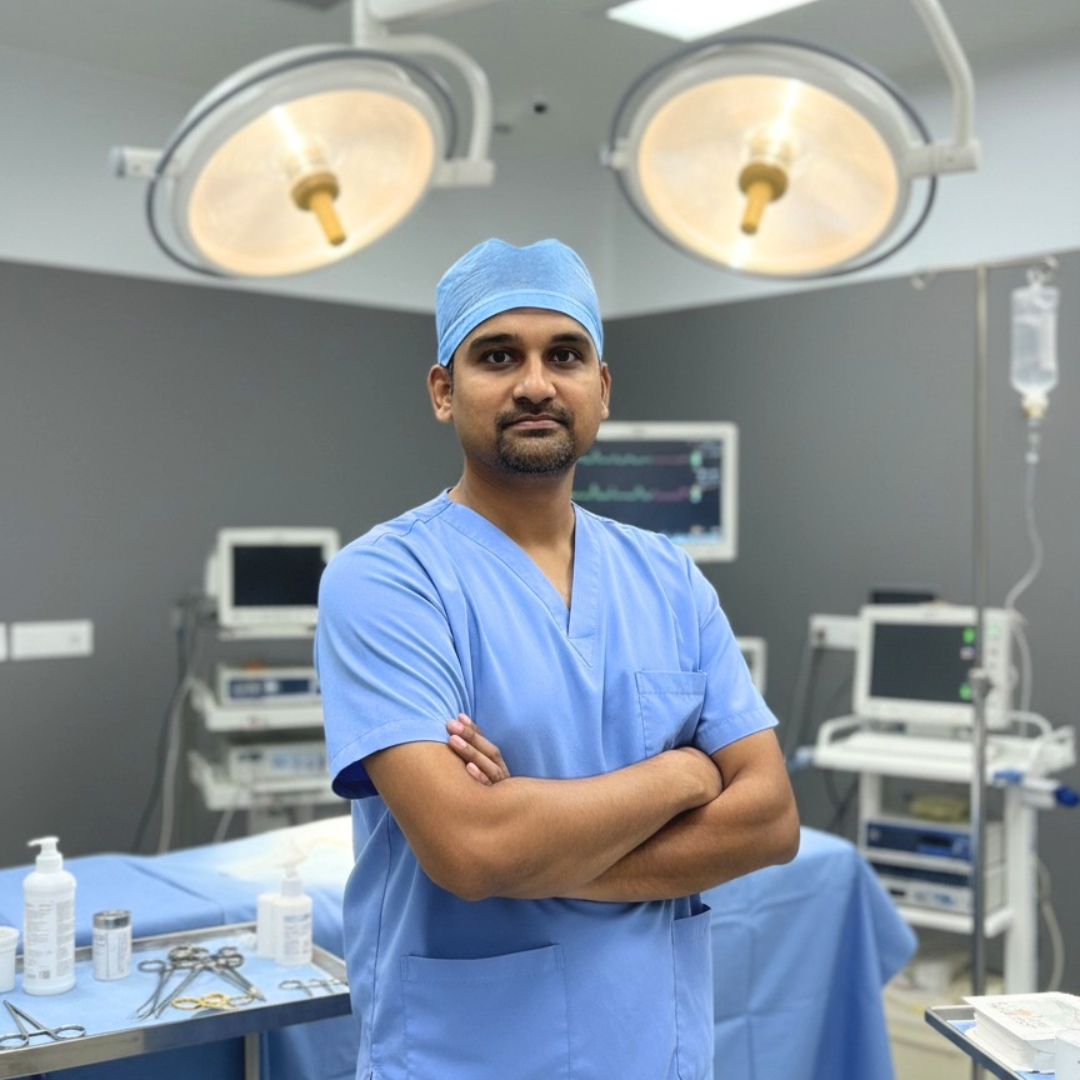
Dr. Saket Saurabh is committed to high-quality neurological care, with extensive experience diagnosing and treating disorders of the brain, spine and nervous system.
He specialises in spinal and pediatric neurosurgery, spinal tumor surgery, minimally invasive techniques and complex neurosurgical care. Every treatment plan is evidence-based and personalised, and the options, benefits and risks are explained clearly to patients and families before any decision is made.
We provide advanced minimally invasive brain & spine care using:
From emergency stroke care to long-term management of chronic neurological disorders — one specialist team for the whole nervous system.
Early diagnosis, emergency management and rehabilitation.
See stroke rehabilitationComprehensive seizure diagnosis and long-term care for adults and children.
View treatmentPersonalised treatment for chronic headaches.
Book a consultationManagement of Parkinson's, tremors, dystonia and other movement disorders.
View treatmentBack pain, slipped discs and spinal nerve disorders.
View treatmentTreatment for nerve pain, numbness and tingling.
Book a consultationDiagnosis and multidisciplinary treatment planning.
View treatmentEvaluation and management of Alzheimer's disease and dementia.
Book a consultationBrain, spine and nerves work as one connected system. Choose an area to see the conditions treated there — and follow the signal from the brain.
Hover or tap a point on the figure, or choose an area above.
See treatmentThis is a guide, not a diagnosis — symptoms can come from more than one area. Sudden weakness, numbness or speech problems need emergency care.
Minimally invasive, endoscopic and microsurgical procedures that can reduce pain, shorten hospital stays and speed up recovery.
A brain tumor is an abnormal growth of cells in the brain — benign or malignant — that can affect neurological function. Symptoms may include headaches, seizures, vision problems or cognitive changes. Early diagnosis and treatment are key.
Neck and back pain can come from disc herniation, spinal degeneration, pinched nerves, muscle strain or spinal stenosis. Accurate diagnosis — with MRI, CT, physical examination and sometimes nerve studies — guides treatment. Many spine conditions improve without surgery; surgery is considered when conservative care fails or nerves are at risk.
Endoscopic neurosurgery uses small cameras and instruments, inserted through natural openings or small incisions, to reach and treat deep structures of the brain and spine with minimal damage to surrounding tissue.
Skull base surgery treats tumors and abnormalities at the base of the skull — an area containing the brainstem, cranial nerves and major blood vessels. Advanced techniques, including minimally invasive endoscopic approaches, ensure precision and optimal outcomes.
A spinal tumor is an abnormal growth of tissue within or around the spinal cord and spinal column. It may be benign or malignant and can affect spinal function and mobility. Early diagnosis and advanced surgery give the best outcomes.
Specialised care for infants, children and adolescents — modern surgical techniques combined with a warm, supportive environment for children and clear guidance for parents.
Paralysis is the loss of muscle function in one or more parts of the body, often caused by stroke, spinal cord injury, brain injury, multiple sclerosis or nerve damage. We combine medical and surgical treatment with rehabilitation to improve mobility and quality of life. How much recovery is possible depends on the cause and how early treatment begins.
Many spine and nerve conditions can be managed without surgery. Surgery is recommended only when it is the right option for you — and we stay with you through recovery.
Detailed history, neurological examination and a clear explanation.
MRI, CT and nerve studies to find the exact cause.
Medication, physiotherapy and interventional pain care.
Minimally invasive, endoscopic or microsurgical procedures.
Post-operative care, rehabilitation and imaging follow-up.
Our philosophy is compassionate, evidence-based care — putting patient well-being first and choosing the least invasive treatment that is appropriate. Many conditions improve with non-surgical care; surgery is considered when it offers clear benefit.
10+ years of experience in brain, spine and pediatric neurosurgery.
Neuro-endoscopy, neuronavigation and intraoperative monitoring.
Diagnosis and treatment plans tailored to each patient.
Risks and benefits explained honestly before every treatment.
Modern hospital facilities and diagnostic support.
From diagnosis to surgery and rehabilitation — complete support.
A caring team that puts patients and families at ease.
Care focused on outcomes, comfort and clear communication.
Consultations, neurosurgery and minimally invasive brain & spine surgery.
Mon – Sat · 10 AM – 8 PM Get directionsEvening OPD consultations and follow-ups for brain, spine and nerve conditions.
Evenings · 7 PM – 9 PM Get directionsNeurosurgical care for brain and spine conditions, trauma and pediatric neurosurgery.
Call for appointment +91 77388 06741A specialised field that treats brain and spinal conditions in children.
How minimally invasive techniques reduce recovery time for patients.
Advanced surgical options for spine tumors with safety and precision.
What to expect from complex skull base surgery, plus recovery tips.
Early treatment of stroke can limit brain damage. If you notice any of these signs — even if they pass — get emergency help straight away.
Sudden loss of balance, dizziness or trouble walking.
Sudden blurred, double or lost vision in one or both eyes.
One side of the face droops or feels numb — ask them to smile.
Sudden weakness or numbness in an arm or leg, often on one side.
Slurred, confused or difficult speech.
Call 108 / 112 immediately and note when symptoms started.
Clear, honest answers about neurological conditions, surgery and recovery.
Speak to our team — we'll guide you to the right consultation.
Ask on WhatsAppBrain tumors, spinal disorders and back or neck pain, spinal tumors, skull base tumors, pediatric neurological conditions, head and spine trauma, movement disorders such as Parkinson's disease, epilepsy, stroke, neuropathy, migraine and memory disorders.
Yes. Minimally invasive and endoscopic brain and spine surgeries reduce tissue damage, pain and hospital stay while achieving outcomes similar to traditional open surgery.
If conservative treatment isn't helping, or if you have numbness or weakness. Sudden loss of bladder or bowel control, or numbness around the groin, needs urgent medical attention.
When conservative treatment has not helped, or when nerve compression causes weakness, numbness or severe pain. Risks vary by procedure and are always explained before treatment.
In experienced hands it is generally safe, and recovery is often quicker than with open surgery — many patients return to routine within weeks. Like any surgery it carries some risk, which is discussed with you beforehand. It suits pituitary tumors, CSF leaks and selected skull base and spinal lesions.
Persistent or worsening headaches, seizures, vision changes, and cognitive or personality changes. These symptoms have many causes, so a medical evaluation is important. Recovery after surgery depends on tumor location, size and surgery type, and rehabilitation helps improve outcomes.
It varies with the tumor and surgery, but many patients begin walking within days and return to normal activity within weeks. Complete removal isn't always possible; surgery aims to remove as much tumor as is safe while preserving function.
Recovery depends on the underlying cause — stroke, spinal cord injury, brain injury, multiple sclerosis or nerve damage. With early intervention, surgery where needed and rehabilitation, significant improvement is possible.
Procedures use advanced technology and, where suitable, minimally invasive techniques to keep risk as low as possible, and parents receive detailed pre-operative guidance. Emergency care is available for pediatric head injuries, trauma and critical neurological conditions.
Call +91 77388 06741, message on WhatsApp, or use the appointment form below. Consultations are available at Fortis Hospital, Mulund and Jai Ambe Clinic (7–9 PM).
Reach out today about any brain, spine or nerve concern. Our team will confirm your appointment slot.
Not for emergencies. If you notice sudden face drooping, arm or leg weakness, slurred speech, a seizure or a severe head injury, call 108 / 112 or go to the nearest emergency department immediately.